Preventive care for dogs: building a check-up, vaccination and parasite plan with your vet
What a good check-up covers, how vaccines are chosen, and why parasite risk depends on how and where your dog lives.

Most of what keeps a dog well happens quietly, long before anything goes wrong. A regular check-up, the right vaccines and sensible parasite control are the backbone of that. But there is no single plan that suits every dog. A young spaniel who swims in rivers and rolls in fox mess on country walks has different risks from an elderly lapdog in a city flat, and current veterinary guidelines say plans should be built around the individual. This guide explains how that works, what to bring to your dog’s check-up, and the questions worth asking.
The short version
- International vaccination guidelines recommend a regular health check, usually once a year and sometimes more often. It should be much more than a “jab appointment”: it is a chance to review the whole prevention plan. [1]
- Guidelines divide a dog’s life into stages, from puppy to senior. What a check-up needs to cover, and how often, changes as your dog ages. [2, 3]
- Vaccines are grouped into core vaccines, which every dog should have, and non-core vaccines, which depend on where your dog lives, travels and what they do. Which vaccines count as core also varies between countries, so a schedule from another country, or from another dog, may not fit yours. [1, 4]
- Parasite risk in the UK depends on lifestyle and location. Ticks are found across the UK, including in urban areas. Lungworm has spread beyond the areas where it was first known. [9, 12, 13]
- Parasite control works best as a risk-based plan agreed with your vet, not a fixed routine copied from a packet or a friend. [5, 6]
- Travelling abroad brings legal requirements and different parasite risks. Talk to your vet well before you go. [5, 16]
What preventive care actually covers
The World Small Animal Veterinary Association (WSAVA) guidelines describe vaccination as just one part of a lifelong health plan. They recommend regular health checks, usually once a year, with the plan designed around your dog’s age, breed, lifestyle, environment and travel. Alongside vaccines, a check-up is the time to talk about parasite detection and prevention, diseases spread by ticks and other carriers, infections that can pass between dogs and people, dental care, nutrition, behaviour, and whether your dog needs to be seen more often. [1] The WSAVA guidelines specifically encourage vets to talk about “health checks” rather than “vaccination consultations”. [1]
The American Animal Hospital Association (AAHA) life stage guidelines take the same approach. They list ten things to review at each stage: lifestyle and safety, risks to human health, behaviour, nutrition, parasite control, vaccination, dental health, reproduction, breed-specific conditions and baseline health tests. [2] They stress that each dog should be approached as an individual, not with a set formula. [2]
These are North American guidelines, so some of their parasite detail, such as routine heartworm prevention, reflects risks in places where heartworm is endemic, including parts of North America and southern Europe. Their structure for organising a check-up still applies widely. [2, 5]
A plan that changes with life stage
The AAHA guidelines divide a dog’s life into five stages: puppy, young adult, mature adult, senior and end of life. [2] The boundaries are deliberately rough. The guidelines say development phases in and out gradually, and they do not give fixed ages for the mature adult and senior stages, because dogs vary so much. Size, breed and health all matter. [2] The senior stage is defined as the last quarter of a dog’s expected lifespan, so when it starts depends on how long a dog of that breed and size is likely to live. [2, 3]
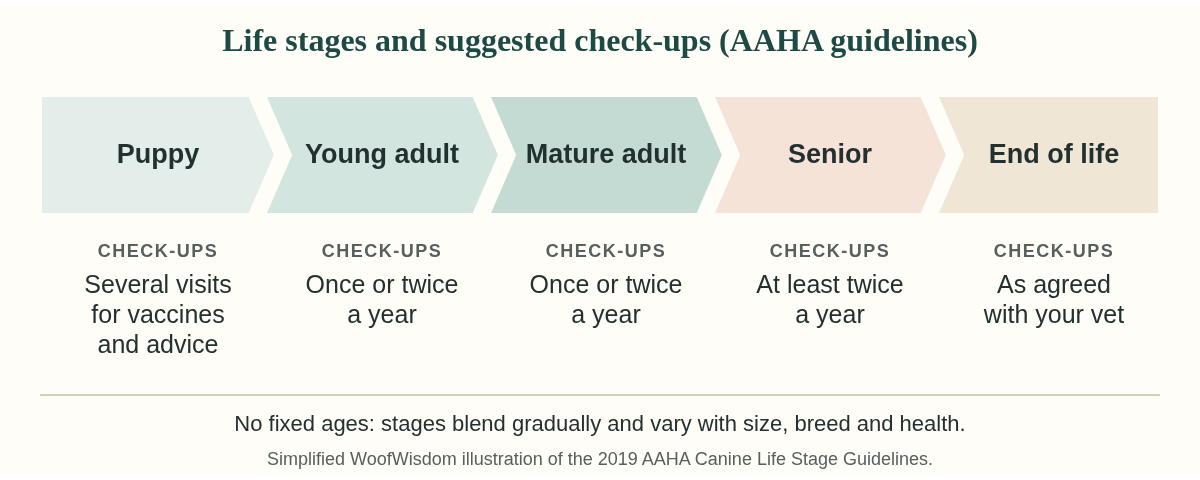
Puppies. Puppies usually need several visits, both for their first vaccinations and for early advice on behaviour, feeding and safety. [1, 2] Maternal antibodies from the mother interfere with early vaccines, and the amount varies between puppies and litters. That is why puppies are given a course of vaccines rather than a single dose, and why the exact timing is decided by your vet. [1] Puppies are also more likely to carry worms, which they can pick up before birth or through their mother’s milk. A heavy roundworm burden can make a puppy seriously ill before a faecal test would pick it up. [2, 5] Puppies can shed large numbers of roundworm eggs, which matters for human health too. [2]
Young and mature adults. For healthy adult dogs, the AAHA guidelines suggest check-ups once or twice a year. Working dogs may need to be seen more often. [2] This is a good time to review vaccines against your dog’s current lifestyle, check weight and teeth, and update the parasite plan if anything has changed, such as a move, a new walking area, a new baby in the house or plans to travel. [1, 2, 5]
Seniors. The AAHA senior care guidelines open with the principle that “old age is not a disease”. Many changes owners put down to age can be investigated and often helped. [3] The AAHA life stage guidelines suggest check-ups at least twice a year for senior dogs. [2] The senior guidelines describe a medical work-up once or twice a year, which may include blood and urine tests, depending on the dog. [3] They note that owners’ videos of their dog moving around at home are a useful extra way to assess pain and mobility. [3] They also recommend examining the mouth at every visit. [3]
Getting the most from a check-up
You know your dog better than anyone, and what you have noticed is one of the most useful parts of the visit. Guidelines encourage vets to ask open questions about changes at home. [2] Before the appointment, it helps to jot down:
- Any changes in appetite, thirst, weight, energy, sleep, toileting or behaviour, and roughly when they started. [3]
- Changes in how your dog moves, such as stiffness, reluctance to jump or slowing on walks. A short video can help. [3]
- Your dog’s normal week: where you walk, whether they go off lead, swim, scavenge, eat slugs or snails, hunt, eat raw food, go to kennels, daycare or groomers, or mix with lots of other dogs. [1, 5, 14]
- Who lives at home, especially young children, anyone pregnant, or anyone with a weakened immune system. This can change parasite advice. [2, 5]
- Any travel plans, inside or outside the UK. [1, 5]
- Dates and names of any vaccines and parasite treatments already given, including anything from a previous owner, breeder or rescue.
Vaccination: questions to review with your vet
Core and non-core. WSAVA defines core vaccines as those all dogs should receive. Worldwide, these protect against canine distemper virus, canine adenovirus (which causes infectious canine hepatitis) and canine parvovirus. [1] Rabies vaccines are core where rabies is endemic. WSAVA also says leptospirosis vaccination is highly recommended, and should be treated as core, in places where the disease is endemic, the types involved are known and suitable vaccines are available. [1] Non-core vaccines are recommended for dogs whose location or lifestyle puts them at risk, and WSAVA says choosing them needs “a careful conversation” between vet and owner. [1]
Why there is no single UK schedule here. Categories differ between guideline bodies and countries. For example, the 2024 AAHA update for North America treats rabies as core, and in 2024 it reclassified leptospirosis as a core vaccine there. [4] WSAVA writes its guidelines to be adapted to local conditions by national bodies and individual vets. [1] Which vaccines are available also differs between countries. [1] So the right schedule for your dog is the one your vet builds from these principles, your dog’s history and the vaccines available, not a list copied from the internet.
Not every vaccine every year. WSAVA reports that most modern core vaccines give protection that lasts many years. Most non-core vaccines last about a year. [1] So a yearly check-up does not mean every vaccine is given every year. Your vet will explain which ones are due. WSAVA also recommends that vaccination certificates state how long protection is expected to last, which can help when you book kennels. [1]
Antibody (“titre”) testing. For adult dogs, a blood test measuring antibodies can help decide when some core vaccines are needed again. [1] WSAVA notes that in-practice test kits vary in accuracy, and that understanding what the results mean is demanding. Ask your vet whether testing makes sense for your dog and what a result would and would not tell you. [1]
Leptospirosis in the UK. In a study of the records of 905,543 dogs at UK primary-care practices, 49% had at least one leptospirosis vaccine recorded in a 12-month period. Dogs over eight had much lower odds of being vaccinated than dogs under one. [7] Practice records may miss vaccines given elsewhere, so this does not mean half of UK dogs are unprotected. It does show that older dogs were much less likely to have one recorded, so it is worth checking your own dog’s records with your vet. A separate study of laboratory test results from 2009 to 2018 found positive leptospirosis tests more likely in autumn and winter and in the East and West Midlands, with the disease predicted to be more likely in southern England. It also found one type of the bacteria not covered by the vaccines licensed at the time, so a vaccinated dog showing signs should still be checked. [8]
Side effects. WSAVA lists pain and swelling at the injection site, and short-lived tiredness, reduced appetite, fever or vomiting, as commonly observed after vaccination. Hives and severe allergic reactions (anaphylaxis) are less common. [1] It reports that small dogs, and some breeds, have a higher risk of reactions, and that the risk rose when several vaccines were given at one visit. [1] If your dog has reacted before, tell your vet so it can be recorded and planned for. [1]
Parasites: matching the plan to your dog’s life
European parasite guidance from ESCCAP (the European Scientific Counsel Companion Animal Parasites) says worm and external parasite control should be tailored to how and where each dog lives. [5, 6] Rather than a fixed routine, your vet considers your dog’s risk factors and local conditions, and recommends treatment, testing or both. [5]
Worms. ESCCAP places dogs into risk groups. The risk is higher for dogs that have contact with parks, other dogs’ faeces, slugs and snails, prey or raw meat, and for dogs living with young children or people with weakened immune systems. More treatment or testing is recommended as risk goes up. [5] An industry-funded online survey of 500 UK dog owners found that, based on owners’ answers, 97% of dogs fell into the highest of four risk groups, and on average dogs were wormed less often than guidance recommends for their risk group. The authors caution that the sample was not random, so the true figure may differ. [14] Adult dogs with roundworms usually show no signs at all, so you cannot tell by looking. [5] In a study in urban Lancashire, 5.3% of 171 dogs aged six months or older, none of which had been wormed recently, had roundworm (Toxocara canis) eggs in their faeces. [15] Faecal testing is one option, but ESCCAP notes that a negative test does not guarantee a dog is worm-free. [5]
Lungworm (Angiostrongylus vasorum). This parasite, also called French heartworm, lives in the blood vessels of the lungs and heart. Dogs catch it mainly by eating infected slugs and snails, or frogs, and possibly from larvae left on grass or in puddles. Foxes are an important reservoir. [5] It was first reported in UK dogs in south-west England in 1980. A 2009 survey of UK practices found existing clusters in south-east England and south Wales, widespread cases in central England and patchier cases in northern England and Scotland. [12] A repeat survey of foxes, published in 2015, found it in 18.3% of foxes examined, compared with 7.3% in the same kind of survey in 2005, with increases in most regions. [13] ESCCAP describes the signs as variable. Some dogs show none, but signs can include coughing, breathing difficulty, bleeding problems (such as prolonged bleeding from small wounds or unexplained bruising), neurological signs, weight loss and lethargy. Occasionally it causes sudden death. [5] If your dog eats slugs or snails, likes grass or puddle water, or you live where lungworm is common, mention it so your vet can include lungworm in the plan. [5]
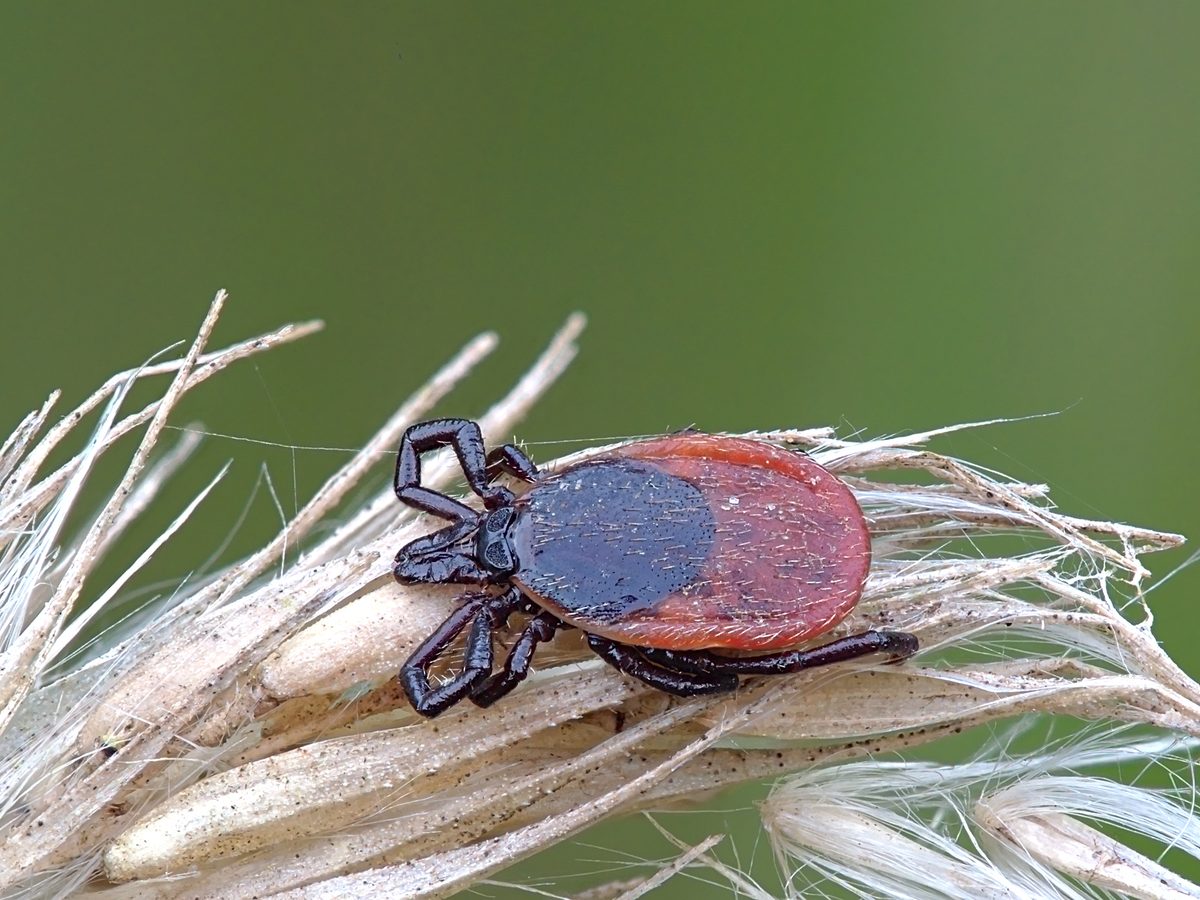
Ticks. In a UK survey in spring and early summer 2015, vets examined over 12,000 dogs, and about 30% had at least one tick. The authors note this figure was probably inflated by the way practices were recruited. [9] Rates were highest in Scotland, south-west England and East Anglia, but high across much of central and northern England too. Dogs restricted to urban areas were no less likely to have ticks than dogs taken to more rural places. [9] In ticks from the same project, 2.0% carried the bacteria that cause Lyme disease. [10] In 2015 to 2016, Babesia canis, a tick-borne blood parasite, caused disease in dogs in Harlow, Essex, that had never travelled abroad. It was also found in local ticks. [11] ESCCAP advises checking dogs for ticks daily when they are at risk, removing any ticks promptly with a purpose-made tool, and not using oil, alcohol or other substances on a tick. [6] Ask your vet whether tick prevention makes sense for your dog’s walks and the time of year.
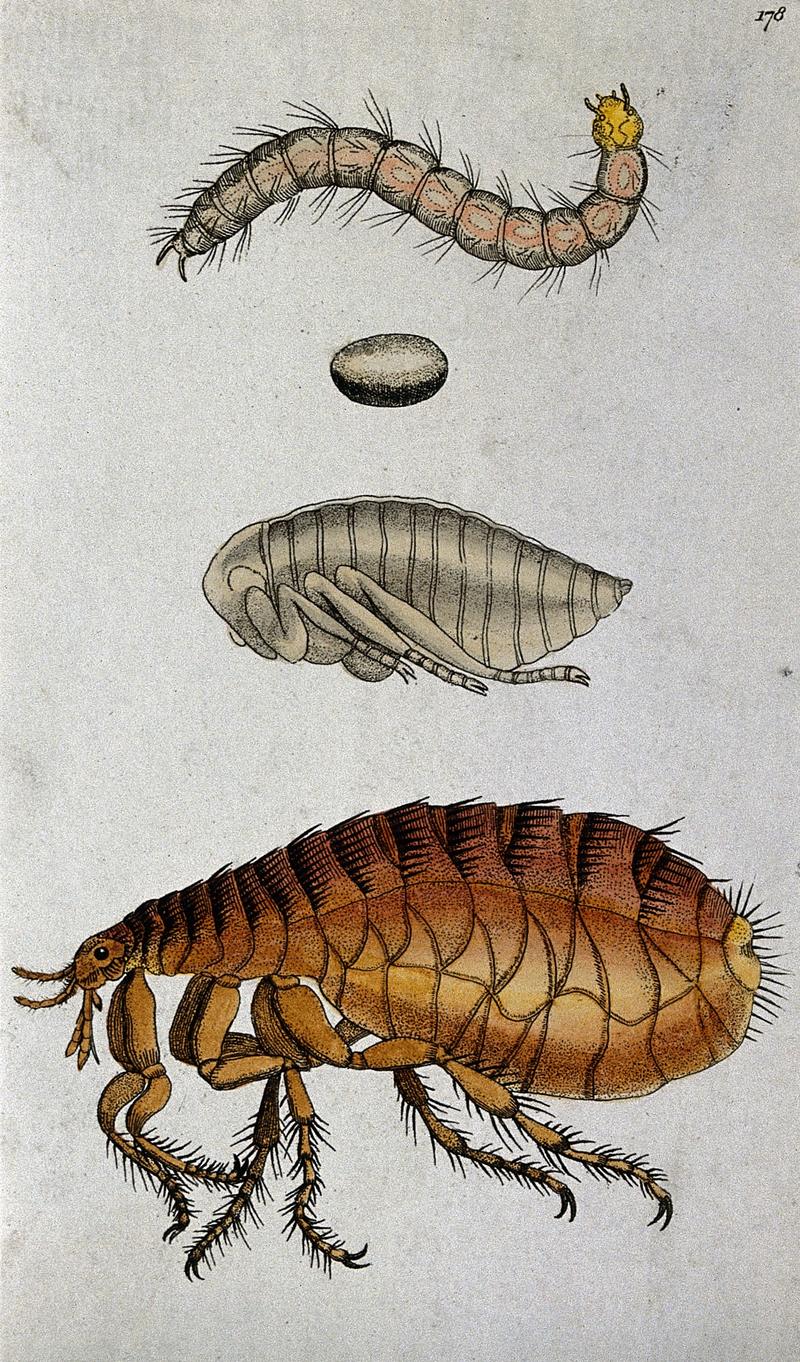
Fleas. Most of a flea infestation lives in the home as eggs, larvae and pupae, not on the dog. Central heating lets fleas breed all year round. [6] ESCCAP advises treating all pets in the household at the same time as part of a plan agreed with your vet, along with vacuuming and washing bedding. [6]
Protecting your family. Some dog parasites can infect people. ESCCAP’s everyday measures are to pick up your dog’s faeces promptly, wash hands after handling pets and before eating, teach children good hygiene, and wear gloves when gardening. [5] The AAHA guidelines advise against raw food or raw treats for dogs living with very young children, pregnant people or anyone with a weakened immune system. [2]
Travel and dogs from abroad
ESCCAP warns that pet travel, and the rehoming of dogs from other countries such as rescue dogs from Mediterranean countries, can introduce parasites to areas where they were not previously found. [5, 6] In the UK tick survey, all the brown dog ticks (Rhipicephalus sanguineus) found were on dogs that had recently travelled outside the UK. [9]
There are also legal rules. UK government guidance says dogs travelling from Great Britain to the EU need a microchip, a rabies vaccination and the right health documents. Dogs entering Great Britain must usually have tapeworm treatment given and recorded by a vet, except when coming directly from Finland, Ireland, Northern Ireland, Malta or Norway. [16] The rules and waiting times are detailed and can change, so check the current government pet travel guidance and speak to your vet several weeks before you plan to travel. [16] If you adopt a dog from abroad, tell your vet where the dog has lived so they can consider testing and parasite control. [5]
When to contact your vet sooner
Prevention plans are reviewed at routine check-ups, but some things should not wait.
Book an appointment soon if:
- You have a new puppy or rescue dog and do not know their vaccination or parasite history.
- Your senior dog is gradually losing weight, drinking more, moving less, behaving differently, or has a wound that is not healing. [3]
- You find ticks often, or see fleas or flea dirt, despite your current routine. [6]
- Your plans change, for example a move, a new walking area, a baby on the way or a trip abroad. [1, 5]
Seek prompt veterinary attention, the same day if you can, if your dog:
- Has a cough or breathing difficulty, unexplained bruising or bleeding, or is suddenly quiet, weak or unwell, especially if they eat slugs or snails, or after travel. [5]
- Develops facial swelling, hives, repeated vomiting, collapse or breathing difficulty after a vaccination. Severe allergic reactions are less common than mild ones, but need urgent help. [1]
- Is an unvaccinated or partly vaccinated puppy who becomes unwell. This is a general precaution, not a finding from a specific study.
If your dog collapses, is struggling to breathe or is bleeding heavily, contact a vet immediately. The signs in these lists come from the cited guidance; how quickly to act is general safety advice, not a finding from a particular study.
What the evidence can, and cannot, tell us
Guidelines are expert guidance, not trial results. WSAVA, AAHA and ESCCAP guidance combines published research with expert consensus. WSAVA’s own guidelines say they are broad guidance, not mandatory standards, and should be adapted locally. [1] The AAHA documents are written for North America. [2, 3, 4] The ESCCAP guidelines and the UK government pages are official guidance and have not been through journal peer review. [5, 6, 16] The check-up frequencies in this article are guideline recommendations. We did not find trials comparing different check-up intervals in dogs, so treat them as expert advice rather than tested targets.
UK figures come from specific samples. The vaccine uptake figure comes from practice records, which can miss vaccines given elsewhere. [7] The leptospirosis distribution study used laboratory submissions, which reflect which dogs were tested. [8] The tick survey probably overestimated how common ticks were, because of the way practices were recruited. [9] The lungworm figures come from a 2009 survey of vets and from foxes, not from a random sample of pet dogs. [12, 13] The worm-risk survey was an online, non-random sample funded by a parasite-product manufacturer. [14] The tick survey had support from a manufacturer, and the leptospirosis uptake study was part-funded by one. [7, 9] Some of these studies are now several years old, and parasite distribution can change.
Associations, not causes. Findings such as older dogs having lower recorded leptospirosis vaccination, or regional differences in ticks and leptospirosis, come from observational data. They show patterns, not their causes. [7, 8, 9]
What we read. Some sources were read in full and others only as abstracts. Claims here are limited to what those texts say. This guide deliberately does not give a vaccine schedule, product names, doses or treatment timings, because these depend on the individual dog, the products available and your vet’s assessment.
General information only, not a substitute for veterinary advice. This guide cannot examine your dog or tell you which vaccines or parasite treatments your dog needs. Your vet can.
Sources
- Squires RA, Crawford C, Marcondes M, Whitley N (2024). 2024 guidelines for the vaccination of dogs and cats – compiled by the Vaccination Guidelines Group (VGG) of the World Small Animal Veterinary Association (WSAVA). Journal of Small Animal Practice 65(5):277–316. doi:10.1111/jsap.13718. Professional guidelines.
- Creevy KE, Grady J, Little SE, Moore GE, Strickler BG, Thompson S, Webb JA (2019). 2019 AAHA Canine Life Stage Guidelines. Journal of the American Animal Hospital Association 55(6):267–290. doi:10.5326/JAAHA-MS-6999. Professional guidelines (North America).
- Dhaliwal R, Boynton E, Carrera-Justiz S, Cruise N, Gardner M, Huntingford J, Lobprise H, Rozanski E (2023). 2023 AAHA Senior Care Guidelines for Dogs and Cats. Journal of the American Animal Hospital Association 59(1):1–21. doi:10.5326/JAAHA-MS-7343. Professional guidelines (North America).
- Ellis J, Marziani E, Aziz C, Brown CM, Cohn LA, Lea C, Moore GE, Taneja N (2024). 2022 AAHA Canine Vaccination Guidelines (2024 Update). Journal of the American Animal Hospital Association 60(6):1–19. doi:10.5326/JAAHA-MS-7468. Professional guidelines (North America).
- ESCCAP (2025). Worm Control in Dogs and Cats. ESCCAP Guideline 01, seventh edition, June 2025. European Scientific Counsel Companion Animal Parasites, Malvern, UK. ISBN 978-1-913757-67-0. Official professional guidance (not journal peer-reviewed).
- ESCCAP (2022). Control of Ectoparasites in Dogs and Cats. ESCCAP Guideline 03, seventh edition, January 2022. European Scientific Counsel Companion Animal Parasites, Malvern, UK. Official professional guidance (not journal peer-reviewed).
- Taylor C, O’Neill DG, Catchpole B, Brodbelt DC (2022). Leptospirosis vaccination in dogs attending UK primary care practices: vaccine uptake and factors associated with administration. BMC Veterinary Research 18:285. doi:10.1186/s12917-022-03382-6. Retrospective cohort (VetCompass records).
- Taylor C, Brodbelt DC, Dobson B, Catchpole B, O’Neill DG, Stevens KB (2021). Spatio-temporal distribution and agroecological factors associated with canine leptospirosis in Great Britain. Preventive Veterinary Medicine 193:105407. doi:10.1016/j.prevetmed.2021.105407. Retrospective analysis of laboratory submissions.
- Abdullah S, Helps C, Tasker S, Newbury H, Wall R (2016). Ticks infesting domestic dogs in the UK: a large-scale surveillance programme. Parasites & Vectors 9:391. doi:10.1186/s13071-016-1673-4. Cross-sectional surveillance study.
- Abdullah S, Helps C, Tasker S, Newbury H, Wall R (2018). Prevalence and distribution of Borrelia and Babesia species in ticks feeding on dogs in the U.K. Medical and Veterinary Entomology 32(1):14–22. doi:10.1111/mve.12257. Cross-sectional molecular survey.
- de Marco MDMF, Hernández-Triana LM, Phipps LP, Hansford K, Mitchell ES, Cull B, Swainsbury CS, Fooks AR, Medlock JM, Johnson N (2017). Emergence of Babesia canis in southern England. Parasites & Vectors 10:241. doi:10.1186/s13071-017-2178-5. Outbreak investigation.
- Kirk L, Limon G, Guitian FJ, Hermosilla C, Fox MT (2014). Angiostrongylus vasorum in Great Britain: a nationwide postal questionnaire survey of veterinary practices. Veterinary Record 175(5):118. doi:10.1136/vr.102196. Questionnaire survey.
- Taylor CS, Garcia Gato R, Learmount J, Aziz NA, Montgomery C, Rose H, Coulthwaite CL, McGarry JW, Forman DW, Allen S, Wall R, Morgan ER (2015). Increased prevalence and geographic spread of the cardiopulmonary nematode Angiostrongylus vasorum in fox populations in Great Britain. Parasitology 142(9):1190–1195. doi:10.1017/S0031182015000463. Repeat cross-sectional survey (foxes).
- Pennelegion C, Drake J, Wiseman S, Wright I (2020). Survey of UK pet owners quantifying internal parasite infection risk and deworming recommendation implications. Parasites & Vectors 13:218. doi:10.1186/s13071-020-04086-2. Online owner survey (industry-funded).
- Wright I, Stafford K, Coles G (2016). The prevalence of intestinal nematodes in cats and dogs from Lancashire, north-west England. Journal of Small Animal Practice 57(8):393–395. doi:10.1111/jsap.12478. Cross-sectional faecal survey.
- UK Government (GOV.UK). Taking your pet dog, cat or ferret abroad; and Bringing your pet dog, cat or ferret to Great Britain. Department for Environment, Food & Rural Affairs and Animal and Plant Health Agency guidance pages, checked 11 November 2026. Official legal guidance (not peer-reviewed).
Evidence checked 11 November 2026. These sources inform the content; their authors have not reviewed or endorsed this article.
Image credits
Photographs show what their sources describe; diagrams are simplified WoofWisdom illustrations based on the sources above. Images are for explanation only and are not a way to diagnose your dog.
- Life stages and suggested check-ups (diagram): WoofWisdom illustration, drawn from the 2019 AAHA Canine Life Stage Guidelines cited in this article.
- Castor bean tick (Ixodes ricinus): W.alter. CC BY-SA 4.0 (https://creativecommons.org/licenses/by-sa/4.0/). Resized to 1200 px wide. Source: https://commons.wikimedia.org/wiki/File:Ixodes_ricinus_on_dry_grass.jpg
- Life stages of the dog flea (etching): Wellcome Collection (artist unknown). CC BY 4.0 (https://creativecommons.org/licenses/by/4.0/). Resized to 800 px wide. Source: https://commons.wikimedia.org/wiki/File:A_dog_flea_(Ctenocephalides_canis);_adult,_pupa,_egg_and_lar_Wellcome_V0022501EL.jpg